


Sponge Art: Shape Puzzle
4.52.26K Reviews
App Specs
- Version
- 2.41.0
- Updated On
- License
- Free
- Downloads
- 50,000,000+
- Developer
- CASUAL AZUR GAMES
- Categories
- Puzzle
- Platform
- Android, iOS
Screenshots
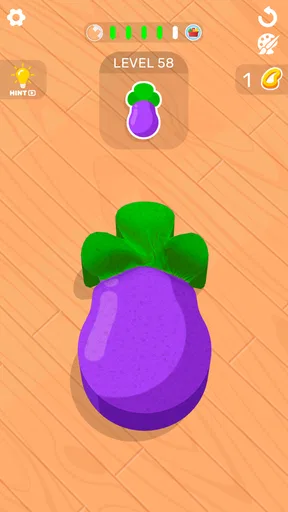
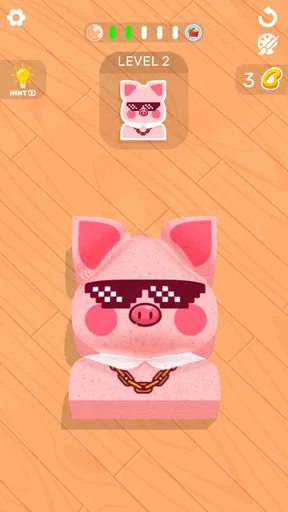
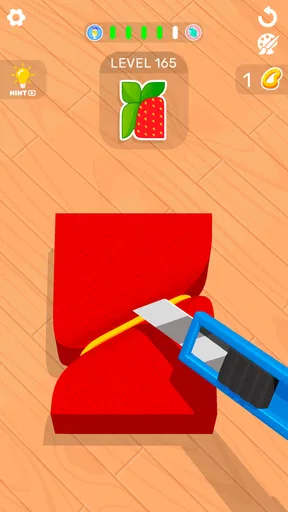
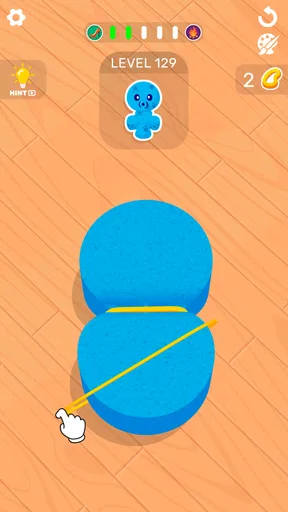
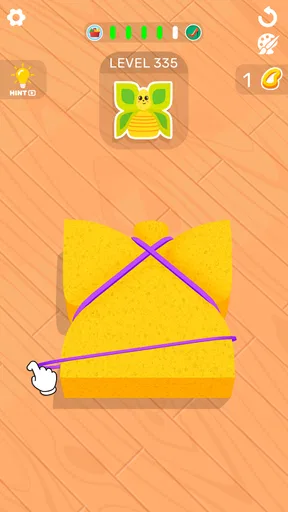
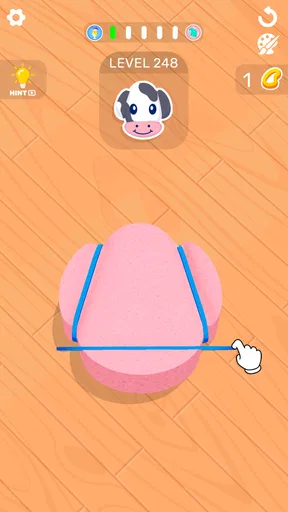
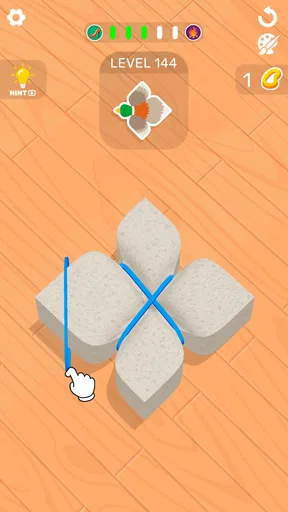
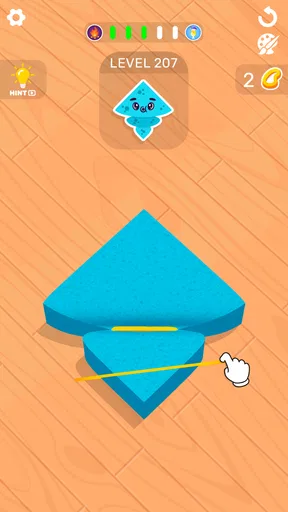
 Analysis by AppCompare
I like the idea behind Sponge Art: Shape Puzzle because it gives a familiar puzzle task a tactile twist: instead of moving pieces around a board, I work with a sponge and rubber bands to form a target shape. That makes each level feel more like a small hands-on problem than a test of trivia or speed. It is a casual puzzle game from CASUAL AZUR GAMES, and its simple premise makes it easy to understand before I decide whether I want to keep playing.
The appeal is strongest when I want a brief, focused break. I can look at the shape, think through how the bands will change the sponge, and adjust my approach without needing to learn a complicated control scheme. It is not the kind of puzzle game I would choose for a deep story or elaborate strategy, but that is part of its usefulness: the task stays clear, and the satisfaction comes from seeing a solution take shape.
Small goals make each level easy to approach
The early goal is direct: use the bands to reshape the sponge until it matches what the puzzle asks for. That gives me something concrete to work toward from the first moments. The challenge is in predicting how each adjustment affects the overall outline, not in memorizing a long set of rules. For a new player, I would focus on the target’s broad silhouette first, then refine the smaller differences rather than trying to perfect every detail at once.
That approach also makes the game a natural fit for short gaps in the day. If I have a few minutes while waiting for a drink or taking a quiet break, I can tackle one puzzle without needing to set aside a long stretch of time. The game’s Everyone content rating makes it approachable for a broad audience, though younger players may still enjoy having someone nearby to talk through a tricky shape. I would not treat it as a demanding brain-training routine; its value is more about relaxed visual problem-solving.
Progress is visible in the shape itself
Many puzzle games signal progress with scores, timers, or increasingly elaborate systems. Here, the clearest feedback is the sponge changing under the bands. That gives each attempt a visible result, so I can compare what I have made with the target and decide what to alter next. I find that useful because it encourages small experiments: a change that looks wrong can still show me which part of the outline needs attention.
The game is free to download, and it has a 4.6 average from around 244,000 ratings, alongside more than 50 million installs. Those figures suggest that the simple idea has broad appeal, but they do not tell me whether every puzzle will suit my taste. I would judge it by whether I enjoy the physical, shape-matching premise, rather than assuming a popular casual game will automatically hold my attention.
A gentle curve still asks for patience
As the target shapes become less straightforward, the same basic interaction can demand more careful observation. I sometimes need to pause and consider which band placement will change the sponge in the direction I want. Trial and error is part of the pleasure when each adjustment teaches me something; it can become frustrating if I keep making changes without a clear hypothesis. My practical tip is to alter one thing at a time, then inspect the result before making another move.
Worth Reading Before You Choose

Flipboard Shows What News Apps Must Do Beyond the Feed

Switching to Android Auto Means Rethinking Your Driving Routine

Google Calendar Makes a Crowded Week Easier to Manage

Ludo King Makes the Most of the Minutes Between Plans

Baby Panda World Brings Quick Play to Modern Phones, but Its Game Library Feels Busy

ESPN’s Live Game View Makes Following Close Games Easier
That measured approach is also why I would recommend it over a fast-action game when I want to unwind. There is no need to rush through a shape just to keep up with a timer in my imagined ideal session; the fun is in working out the fit. On the other hand, players who want layered logic, a competitive leaderboard, or a long campaign may find the central mechanic too narrow. A traditional number puzzle or a game with varied rule sets would be a better match for them.
Where the game fits—and where it does not
For me, the best use case is a low-pressure pause: a commute break, a few minutes between chores, or a quiet moment when I want a small visual challenge rather than another feed to scroll. It suits people who like tactile-looking interactions and simple goals, including casual players who do not want to study a tutorial before starting. It is less suitable if I am looking for a substantial narrative, a social competition, or puzzles that constantly introduce new mechanics.
It is also worth remembering that free-to-play does not mean there is no spending option. The game includes in-app purchases ranging from $3.99 to $99.99 per item, so I would keep that in mind if a child is playing or if I prefer to avoid accidental purchases. The game itself is free, but the purchase range is a practical reason to review device purchase settings before handing over a phone. That is sensible preparation, not a reason to assume that spending is required to enjoy the basic puzzle idea.
The game was released on October 14, 2021, and its current version is 2.40.0, with Android support from version 7.0. Those details make it easier to check whether it fits an older device before downloading. CASUAL AZUR GAMES has kept the title in a familiar casual-puzzle lane: the central appeal is still the act of shaping the sponge, rather than a complicated progression system. I would choose it when that focused loop sounds enjoyable, not simply because I want a large game to occupy an entire evening.
First Impressions
When I first downloaded Sponge Art, I wasn’t entirely sure what to expect. But let me tell you, the moment I opened the app, I was greeted with a burst of colors and a playful interface that immediately got me excited. The design is sleek and user-friendly, making it easy for anyone to get started without a hitch.
The app's main menu is intuitively laid out, offering a selection of puzzles that range from easy to mind-bogglingly complex. And the best part? The graphics are not only visually appealing but also incredibly smooth, making for a seamless gaming experience.
The Gameplay Experience
Diving into the gameplay, the premise is simple yet addictively engaging. You start with a sponge that you must manipulate to fit into various shapes. Sounds easy, right? Think again! As you progress, the shapes get more intricate, requiring strategic thinking and a bit of trial and error.
What I found particularly satisfying was the tactile feedback you get when molding the sponge. It’s almost like playing with clay but in a virtual world. Each level is a new challenge, and the sense of accomplishment you get when you finally fit the sponge perfectly is genuinely rewarding.
And let’s not forget the sound effects! The soft squishing sounds add an extra layer of immersion, making the whole experience even more enjoyable.
Features That Stand Out
One of the standout features of Sponge Art is its variety of levels. The developers have done an excellent job of keeping things fresh and exciting. With new puzzles added regularly, there’s always something to look forward to.
The app also offers hints for those tricky levels where you might find yourself a little stuck. And trust me, you’ll appreciate these hints when you’re pulling your hair out trying to fit that last stubborn piece.
Another cool feature is the customization options. You can choose different colors and textures for your sponges, allowing you to add a personal touch to your puzzle-solving adventure.
Why You Should Try It
If you’re someone who enjoys puzzles and is looking for a way to relax, Sponge Art is definitely worth checking out. It’s the perfect blend of relaxation and mental challenge, and it’s suitable for all ages.
Plus, it’s a great way to pass the time. Whether you’re waiting for your coffee to brew or just chilling on the couch, this app provides endless hours of entertainment. And did I mention it’s free to download? That’s right! You get all of this without spending a dime.
Final Thoughts
In a world full of apps vying for your attention, Sponge Art stands out as a unique and enjoyable experience. It’s not just a game; it’s a fun escape from the hustle and bustle of everyday life. With its charming design, engaging gameplay, and multitude of levels, you’ll find yourself coming back to it time and again.
So, what are you waiting for? Go ahead, give it a download, and start shaping your way to fun and relaxation. Happy puzzling!
How I would make the most of a session
When I am stuck, I try not to treat every failed attempt as wasted time. I look at the target as a set of broad directions: which edges need to move inward, which points should remain prominent, and where a band might create an unwanted pinch. Then I make one adjustment and compare the outline again. This keeps the puzzle readable and avoids changing several things at once, which can make it hard to tell what actually helped.
I would also use hints as a nudge rather than an automatic first move. A moment of looking at the target often reveals a useful next step, and solving that part myself is more satisfying. If I have tried a few deliberate adjustments and still cannot see a workable route, a hint can help me resume instead of abandoning the level. That balance preserves the puzzle’s small discovery without turning a casual break into a test of stubbornness.
What to expect from its progression
The main progress signal is practical rather than numerical: the changing sponge shows whether my choices are bringing the shape closer to the goal. That makes the game easy to dip into, but it also means players who rely on a detailed map of unlocks or a visible long-term checklist may find the sense of advancement modest. I enjoy progress that is attached directly to the task, though I would not pick this as my main game if I wanted a deep collection system or a dramatic sense of a journey unfolding.
The game’s appeal depends on variation within its central idea. A more intricate outline can make a familiar action feel newly demanding, but the basic interaction remains the reason to play. I see that as a clear trade-off: it is approachable because it does not keep asking me to learn a different ruleset, yet the loop may feel repetitive if I want every stage to introduce a fresh kind of puzzle. If I reach that point, switching to a game built around varied logic challenges would make more sense than expecting this one to transform into a different genre.
Choosing it over other puzzle games
Compared with a word game, a number-grid puzzle, or a conventional jigsaw, this is more visual and physical in feel. I do not need to know vocabulary or calculate a sequence; I need to read a silhouette and reason about how bands reshape a soft object. That makes it a good alternative when those familiar formats feel too cerebral or repetitive. A jigsaw is still the better choice if I want to assemble a detailed picture, while a logic game with several mechanics is better if I want variety in the reasoning itself.
For a shared moment, I can imagine handing the phone to a friend or family member and asking what they would change next. The simple objective makes it easy to discuss a shape without explaining a long backstory or control system. It is not the same as a dedicated multiplayer game, and I would not expect it to supply a social mode; the useful point is that the puzzle can be enjoyable to think through together while one person plays.
Who is likely to enjoy the loop
I would recommend it most to someone who likes clear visual targets, gentle trial and error, and the small satisfaction of correcting an outline. It can suit a child, a casual player, or an adult who wants a short distraction, as long as the player is comfortable with the same core action returning across different puzzles. Because the age rating is Everyone, it is broadly accessible, but a parent may still want to manage purchase settings on a shared device.
I would skip it if I wanted a complex campaign, a competitive reason to replay, or a puzzle experience that keeps changing its rules. I would also be cautious about choosing it as my only entertainment for a long journey if I know repetition wears on me quickly. Its strengths are concentrated in a small, understandable activity, and that focus is either the point or the limitation depending on what I want that day.
A measured verdict on staying power
For me, Sponge Art works best as a pocket-sized puzzle rather than a game that demands a daily routine. Its goals are immediately understandable, its feedback is visible in the object I am shaping, and its increasing complexity can keep the loop interesting for players who enjoy spatial reasoning. There is no need to turn every level into a speed test; patience and deliberate experimentation are more useful than rushing.
The staying power is therefore personal. If I enjoy repeating one tactile-feeling idea with different shape problems, I can see myself returning whenever I have a spare moment. If I need frequent new systems, a strong narrative, or substantial strategic layers, I would move on to a broader puzzle game. I would recommend trying this one for its focused, calming premise while keeping those expectations clear: it is a pleasant change from standard grids and word clues, not a substitute for every kind of puzzle.
Pros
- Engaging and colorful graphics.
- Intuitive controls for all ages.
- Challenges improve cognitive skills.
- Variety of levels keeps it fresh.
- No intrusive ads during gameplay.
Cons
- Limited free levels available.
- Requires internet for updates.
- Some puzzles are repetitive.
- In-app purchases can be pricey.
- Occasional minor bugs noticed.
FAQs for Sponge Art: Shape Puzzle
What is Sponge Art: Shape Puzzle and how does it work?
Sponge Art: Shape Puzzle is a creative puzzle game designed to engage players with its unique sponge-sculpting mechanics. The game challenges you to carve and shape virtual sponges into various forms by following specific outlines. Using intuitive touch controls, you can trim, mold, and adjust the sponge to match the target shape, enhancing your spatial reasoning and artistic skills.
Is Sponge Art: Shape Puzzle suitable for all age groups?
Yes, Sponge Art: Shape Puzzle is designed to be family-friendly and suitable for all age groups. Its simple yet engaging mechanics make it accessible for children while providing a relaxing and creative experience for adults. The game encourages creativity and precision, making it a great choice for both casual and dedicated gamers looking for a light-hearted challenge.
Does Sponge Art: Shape Puzzle require an internet connection to play?
Sponge Art: Shape Puzzle does not require an active internet connection to play the main game levels, making it perfect for offline play. However, certain features like updates, leaderboard access, or additional downloadable content might require a connection. Always check for the latest version to ensure the best gameplay experience.
Are there in-app purchases in Sponge Art: Shape Puzzle?
Yes, Sponge Art: Shape Puzzle offers in-app purchases. These typically include additional tools, hints, or cosmetic items to enhance your gaming experience. While the core game is free to play, these purchases can help you progress faster or customize your gameplay. All purchases are optional, and the game can be enjoyed fully without them.
What are the system requirements for Sponge Art: Shape Puzzle on Android and iOS?
For Android users, Sponge Art: Shape Puzzle requires Android 5.0 or higher, while iOS users need iOS 10.0 or later. The game is optimized for both platforms, ensuring smooth performance across a range of devices. Adequate storage space is also necessary for installation, so be sure to check your device's available memory before downloading.


